Olduvai Gorge in northern Tanzania is one of the most important places on Earth for understanding human evolution. Set within the vast Ngorongoro Conservation Area, near the Serengeti Plains, this remarkable ravine has preserved fossils, stone tools, animal remains, and ancient landscapes that help tell the story of our earliest ancestors. Often called the “Cradle of Humankind,” Olduvai Gorge is not simply a dramatic stop on a Tanzania safari. It is a living scientific archive: a place where layers of volcanic ash and sediment have protected evidence of changing environments and hominin life over nearly two million years. Together with nearby Laetoli, Olduvai has made Tanzania central to the global study of where humans came from and how our ancestors adapted, moved, made tools, and survived.
Where is Olduvai Gorge?
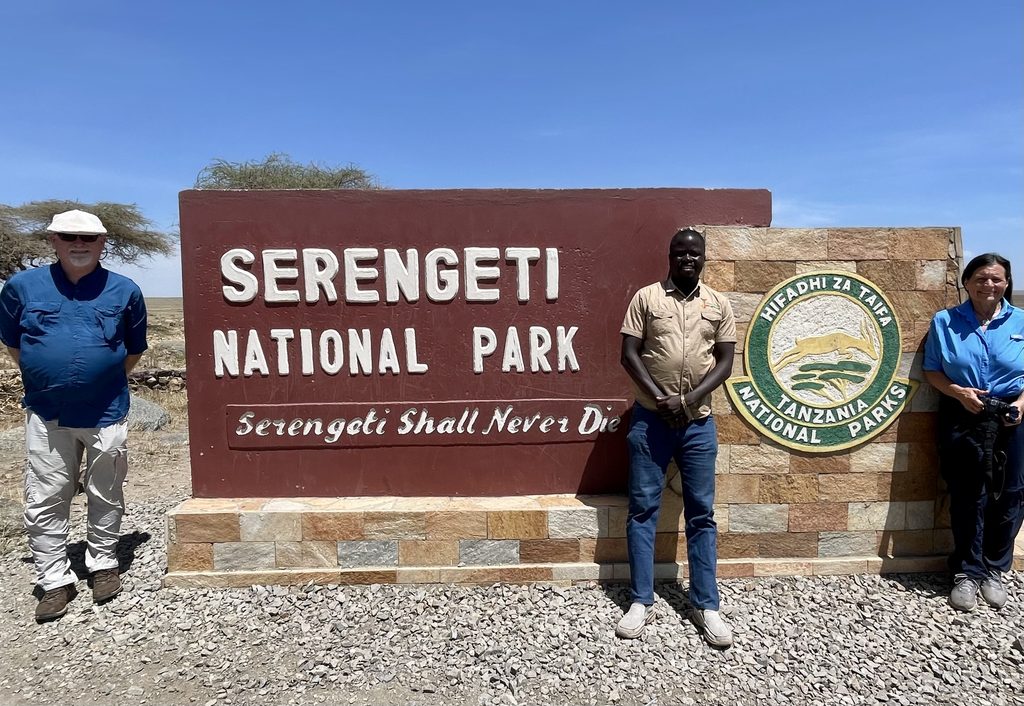
Olduvai Gorge lies in the Ngorongoro Conservation Area in northern Tanzania, between the Ngorongoro Highlands and the Serengeti ecosystem. The gorge is roughly 50 kilometres long and exposes deep layers of ancient sediments that were laid down over millions of years. Erosion later cut through these layers, revealing an extraordinary record of prehistoric life. NASA Earth Observatory
The name “Olduvai” comes from oldupaai, the Maasai word for the wild sisal plant that grows in the region. Many researchers also use the spelling “Oldupai,” which more closely reflects the Maa language.
Why Olduvai Gorge is called the Cradle of Humankind
The phrase “origin of humankind” is powerful, but it deserves context. Human evolution did not happen in one single place or moment. It unfolded across Africa over millions of years. Olduvai Gorge is nevertheless among the world’s most significant paleoanthropological sites because it contains an exceptional sequence of fossils and tools linked to early hominins—the group that includes modern humans and our extinct relatives.
UNESCO recognizes the Ngorongoro Conservation Area as a World Heritage Site of global cultural and natural importance. Its archaeological record includes Olduvai Gorge, Laetoli’s famous fossil footprints, and evidence spanning roughly four million years of human evolution and human-environment interaction.
Olduvai’s importance comes from the quality of its evidence. Fossils were found alongside animal bones, stone tools, and geological layers that help scientists date and interpret the discoveries. Rather than offering only isolated remains, the gorge provides crucial context for how early hominins lived within a changing East African landscape.
The Leakeys and the discoveries that changed human history
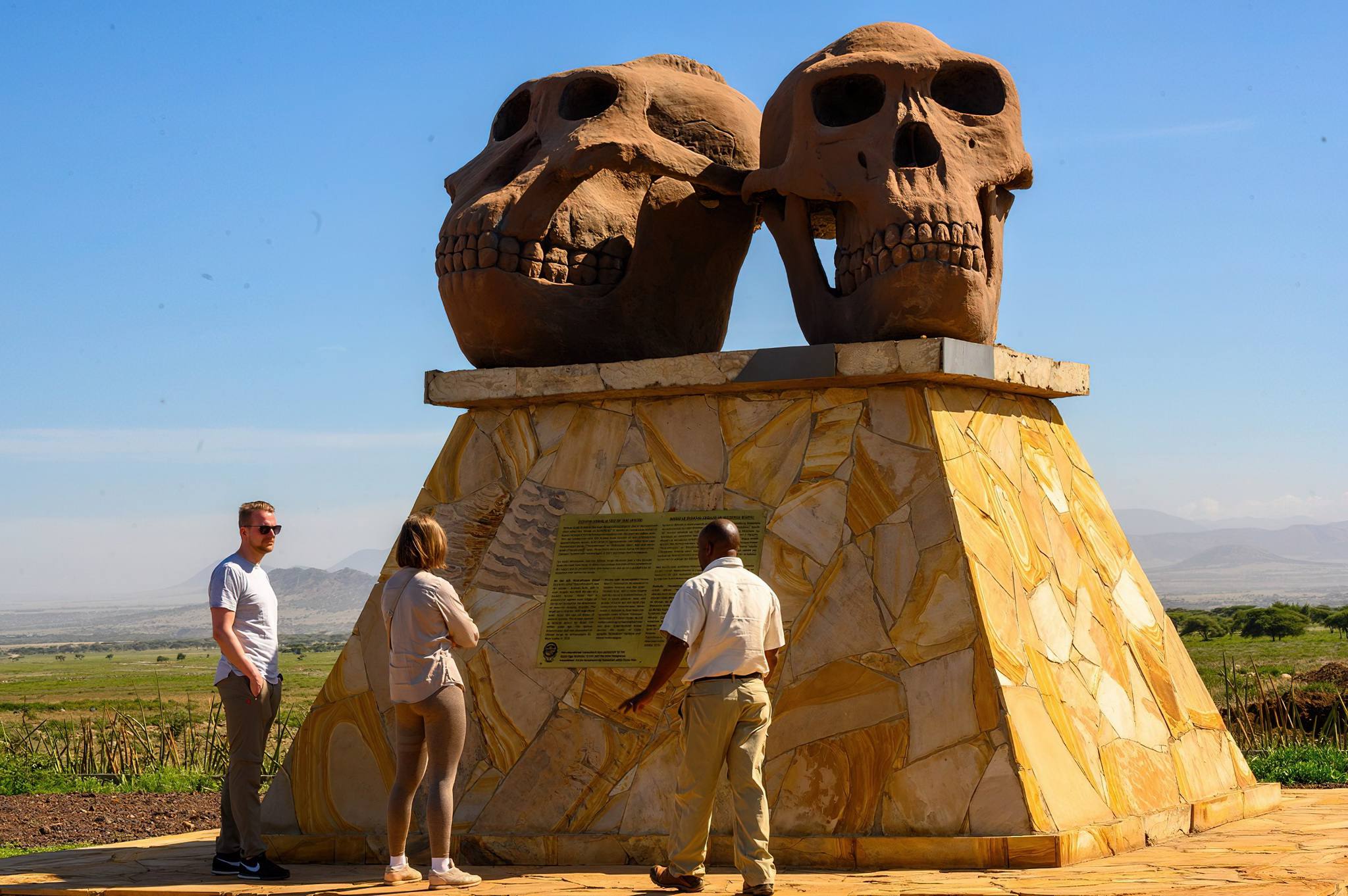
Louis and Mary Leakey devoted decades to research at Olduvai Gorge. Their work brought worldwide attention to Tanzania and transformed scientific understanding of early human evolution. In 1959, Mary Leakey discovered a famous fossil skull initially named Zinjanthropus. It is now generally classified as Paranthropus boisei, a robust early hominin with powerful jaws and teeth. The discovery became an international sensation and confirmed that East Africa held vital evidence about early human ancestry.
Olduvai also yielded fossils associated with Homo habilis, one of the earliest known members of the genus Homo, as well as remains linked to Homo erectus. These discoveries helped establish that human evolution was complex, with different hominin species living at different times and adapting in different ways. Olduvai Gorge and the first stone tools
Olduvai Gorge is also famous for its early stone-tool record. Archaeologists found simple but ingenious tools made by striking stones to create sharp edges for cutting, scraping, and processing food. These early technologies are known as the Oldowan industry, named after Olduvai. Oldowan tools are among the earliest widespread stone-tool traditions associated with early hominins. They demonstrate that our ancestors were not merely surviving in their environments; they were actively using technology to solve practical challenges.
Over time, Olduvai’s archaeological layers also reveal later technological developments, including Acheulean handaxes. This long sequence gives researchers a rare opportunity to study changes in toolmaking, anatomy, behavior, and environment across vast periods of prehistory.
A landscape that preserved the past
Millions of years ago, the Olduvai region included lakes, grasslands, woodland, and volcanic landscapes. Volcanic eruptions repeatedly deposited ash across the area, while lakes and rivers laid down sediment. These layers buried and preserved animal bones, plant remains, tools, and fossils.
Later, tectonic movement and erosion exposed the layers visible in the gorge today. For scientists, the gorge walls act like pages in a deep historical book: each layer contains evidence from a different period of life in ancient East Africa. Ngorongoro Lengai Geopark
The fossils found here include early hominins as well as many extinct animals, offering clues about the ecosystems in which our ancestors lived. Understanding those environments is essential: human evolution was shaped not only by biology but also by climate, food sources, predators, migration, and changing habitats.
Olduvai Gorge and Laetoli: two essential human-origins sites
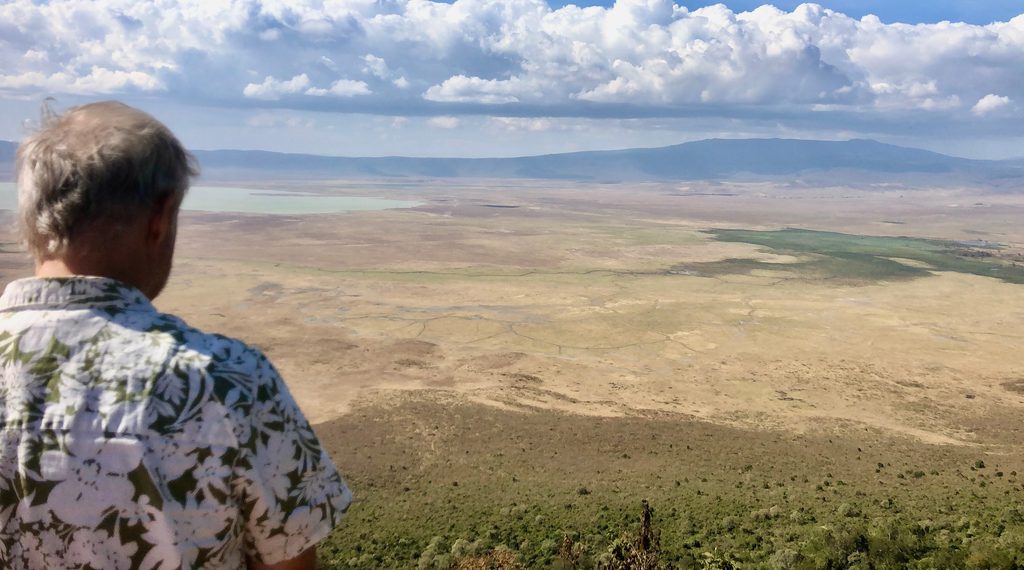
Olduvai Gorge is often visited alongside the story of Laetoli, another extraordinary site within the wider Ngorongoro Conservation Area. Laetoli is known for fossilized footprints made about 3.6 million years ago, providing compelling evidence of early bipedal walking.
Together, Laetoli and Olduvai create an unmatched picture of early human evolution in Tanzania:
Laetoli offers evidence of early upright walking.
Olduvai provides fossils, stone tools, and long-term environmental records.
The wider Ngorongoro landscape connects human history with wildlife, geology, and living Maasai cultural heritage.
This combination is one reason the Ngorongoro Conservation Area is recognized as a UNESCO mixed World Heritage Site.
Visiting Olduvai Gorge in Tanzania
For visitors on a northern Tanzania safari, Olduvai Gorge offers a meaningful cultural and historical experience between the Serengeti and Ngorongoro Crater. A visit commonly includes the gorge viewpoint, museum exhibits, and interpretation from an official guide. The site can be visited throughout the year, though access and safari conditions vary with weather, road conditions, and an itinerary’s route through the conservation area. Official guides are required for visits to the excavation areas. Ngorongoro Lengai Geopark
Olduvai Gorge is especially rewarding for travellers who want their safari to include more than wildlife sightings. It adds a deeper sense of time: lions, elephants, wildebeest, volcanic craters, Maasai culture, and the story of human origins all exist within the same wider landscape.
Why Olduvai Gorge still matters
Research at Olduvai Gorge continues. New methods in geology, archaeology, fossil analysis, and environmental reconstruction continue to refine what we know about early hominins and their lives. The most important lesson of Olduvai is not that one individual fossil “proves” where humanity began. Its value lies in the extraordinary body of evidence preserved across time. It reminds us that human history is African history, environmental history, and a story of adaptation stretching back far beyond written memory.
For anyone travelling through northern Tanzania, Olduvai Gorge is more than an archaeological landmark. It is one of the rare places where visitors can stand before the ancient landscapes that shaped the earliest chapters of the human story.
Frequently asked questions
Is Olduvai Gorge the origin of humankind?
Olduvai Gorge is one of the most important sites for studying human evolution, but human origins developed across multiple regions of Africa over millions of years. Its fossils, tools, and geological record make it central to that story.
Where is Olduvai Gorge located?
Olduvai Gorge is in northern Tanzania’s Ngorongoro Conservation Area, close to the Serengeti ecosystem.
What was discovered at Olduvai Gorge?
Important discoveries include fossils of Paranthropus boisei, Homo habilis, and Homo erectus, along with early stone tools, animal fossils, and evidence of ancient environments.
Can visitors go to Olduvai Gorge?
Yes. It is a popular cultural stop on northern Tanzania safari itineraries, particularly for travellers moving between the Serengeti and Ngorongoro Craters. Use an official guide and confirm current access arrangements with your safari operator or the Ngorongoro Conservation Area Authority.
What is the difference between Olduvai Gorge and Laetoli?
Olduvai Gorge is best known for its hominin fossils and stone tools. Laetoli is particularly famous for ancient footprints that demonstrate early bipedal walking. Both sites are within the wider Ngorongoro Conservation Area.
Why Afoyo African Safaris Is Here for You
At Afoyo African Safaris, we believe every journey should mean more than simply visiting a destination. That is why we are committed to including meaningful cultural experiences and visits to cultural heritage sites in every trip you book with us, giving you the opportunity to connect with local communities, discover our traditions, and understand the true spirit of Africa. We are here to help you travel with purpose, explore with an open heart, and create memories that go beyond photographs.
Our promise is simple: once we let you breathe in the dust of Africa’s rich brown soil, experience the warmth of its people, hear the rhythm of its cultures, and witness the beauty of its wilderness, we will make sure Africa keeps calling you back, again and again. Travel with the team that knows Africa better than anyone else. Travel with purpose. Travel with passion. Travel with Afoyo African Safaris. Africa is not just a destination; it is a feeling that stays with you forever.