Pian Upe Wildlife Reserve is one of Uganda’s most remarkable wilderness destinations. Located in southern Karamoja, it is a vast landscape of open savannah, rocky hills, seasonal rivers, wetlands, and wildlife-rich plains. For travellers looking beyond the country’s busier safari routes, Pian Upe offers space, silence, dramatic scenery, and an authentic connection with wild Uganda.
Often described as one of the country’s best-kept secrets, Pian Upe is not a typical luxury safari destination. Its appeal is its remoteness, its raw beauty, and the feeling that every game drive is a true exploration. Here, visitors may travel for long distances without seeing another vehicle, while giraffes, antelopes, ostriches, and rare birds move freely across the plains.
Where Is Pian Upe Wildlife Reserve Located?
Pian Upe Wildlife Reserve lies in the Karamoja region of north-eastern Uganda, mainly in Nakapiripirit District. It is part of a wider conservation landscape connected to the Bokora and Matheniko wildlife reserves.
The reserve is framed by major natural landmarks. Mount Kadam rises to the east, while Mount Napak lies to the north. Mount Elgon National Park is found to the south, making Pian Upe a rewarding addition to a wider eastern Uganda itinerary that may include Sipi Falls, Mbale, and Karamoja.
The History of Pian Upe Wildlife Reserve
Pian Upe has a deep history shaped by wildlife, pastoral communities, conservation, and recovery. The area was first formally protected as the Debasien Animal Sanctuary in 1960. In 1964, it was upgraded and gazetted as Pian Upe Game Reserve.
The name reflects the cultural heritage of the Pian people, one of the Karamojong communities connected to this landscape. Historically, the plains supported significant wildlife populations, including buffalo, elephants, roan antelope, and other large mammals.
Like many protected areas in the region, Pian Upe suffered severe wildlife losses during the conflict and instability of the 1970s through the 1990s. Poaching, limited ranger presence, and insecurity affected wildlife populations and tourism development.
Today, the reserve is in an important period of restoration. Since 2022, it has been managed through Uganda’s first formal co-management partnership involving the Uganda Wildlife Authority, Space for Giants, and Karimojong Overland Safaris. The partnership focuses on wildlife recovery, stronger protection, scientific monitoring, community engagement, and sustainable tourism. Pian Upe history
Physical Features Around Pian Upe Wildlife Reserve
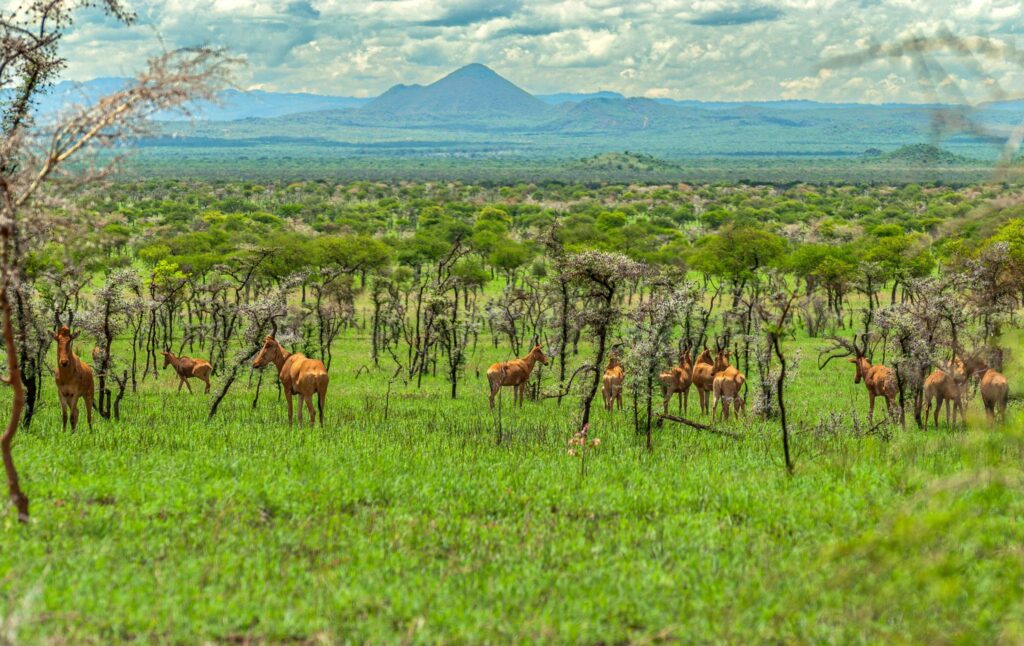
Pian Upe is one of Uganda’s most scenic and varied savannah landscapes. Its physical features include:
Rolling Savannah Plains
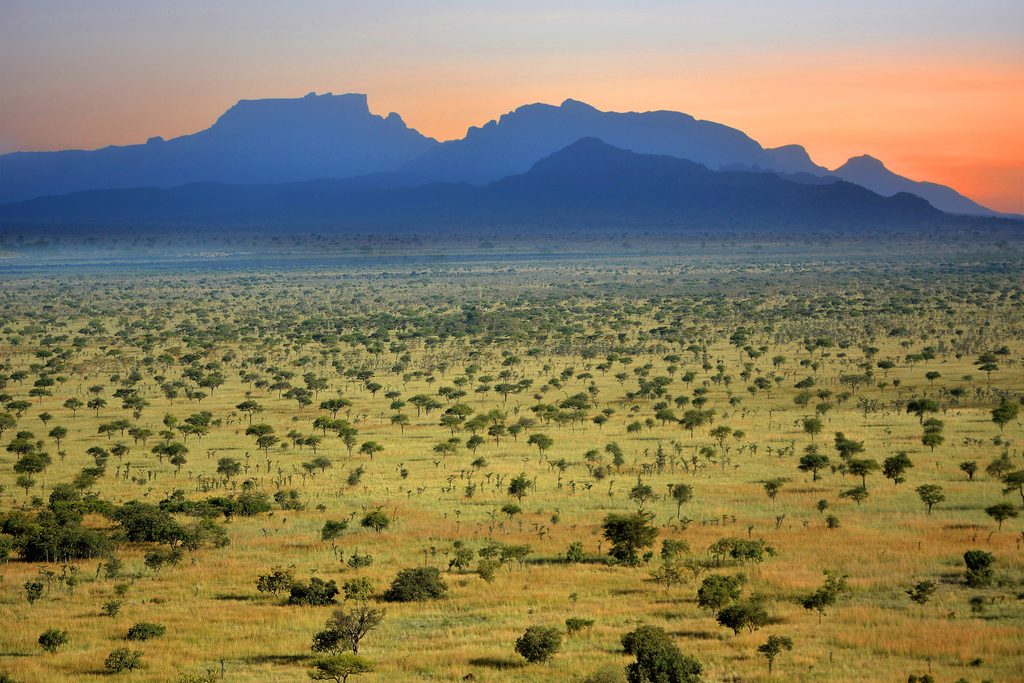
The reserve is dominated by wide grassland plains that create excellent visibility for game viewing. During the dry season, the shorter grass and limited water sources make it easier to spot wildlife.
Mount Kadam
Mount Kadam is the most striking landmark near the reserve. Rising to more than 3,000 meters, it creates a dramatic backdrop to the open plains and supports a montane forest on its upper slopes.
Mount Napak
Mount Napak lies north of Pian Upe and adds to the reserve’s rugged Karamoja scenery. Together with Mount Kadam, it gives the area a distinct landscape unlike Uganda’s forested or lakeside safari destinations.
Rocky Outcrops and Inselbergs
Rocky hills and isolated outcrops rise directly from the plains. These features provide habitat for wildlife such as klipspringers, mountain reedbuck, leopards, and raptors, while also offering dramatic views for photography.
Seasonal Rivers and Watercourses
Much of the reserve is drained by seasonal rivers and streams flowing toward Lake Kyoga. During the rainy season, some sections of the reserve may flood, transforming the grassland and attracting birdlife.
Lake Opeta and Wetlands
Lake Opeta and its surrounding wetlands lie to the west of the reserve. This important wetland system supports waterbirds, shoebills, sitatunga, hippos, and other aquatic species.
The Girik and Amaler Rivers
The Girik River follows the southern boundary of the reserve. The Amaler River, which flows from Mount Kadam toward Lake Opeta, is an important permanent water source for wildlife and nearby communities. About Pian Upe
Wildlife in Pian Upe Wildlife Reserve
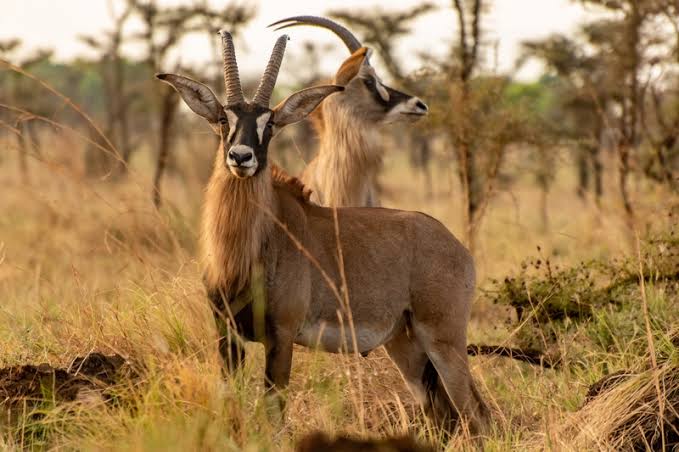
Pian Upe is one of the best places in Uganda to look for rare dryland and savannah species. It has recorded more than 160 mammal species and a wide variety of birds, reptiles, and smaller animals.
Rare and Special Animals Found in Pian Upe
Roan Antelope
Pian Upe protects Uganda’s only remaining population of roan antelope. This large, striking antelope is one of the reserve’s most important conservation species and a major reason why wildlife enthusiasts visit.
Nubian Giraffe
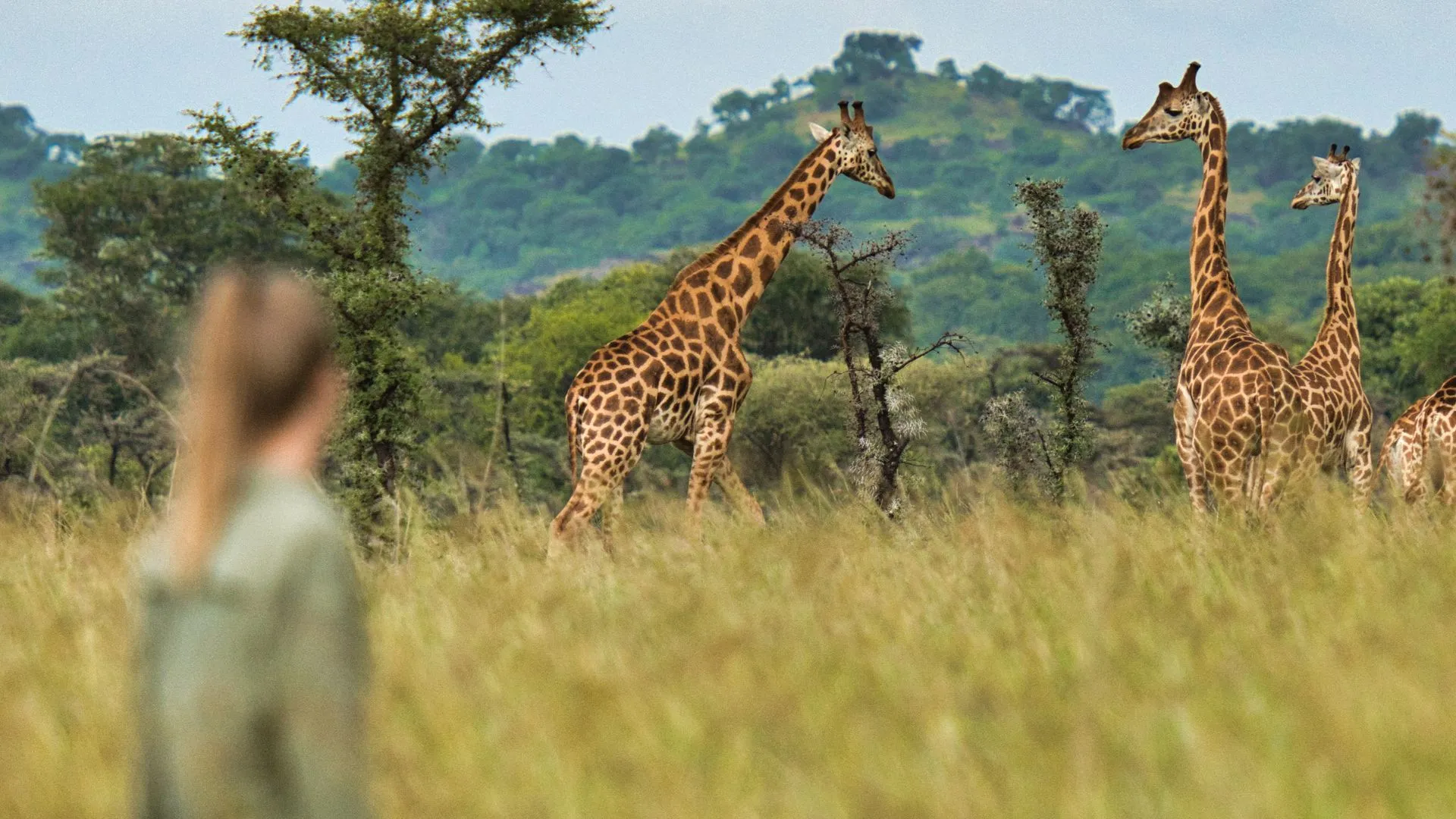
Nubian giraffes have returned to Pian Upe through conservation and reintroduction work. Their presence on the open grasslands is one of the reserve’s most memorable wildlife sights.
Cheetah
Pian Upe is one of the few places in Uganda where cheetahs occur. They are elusive, and sightings are never guaranteed, but the open plains provide suitable habitat for these fast and graceful predators.
Ostrich
Ostriches can be seen moving across the savannah, offering a special wildlife encounter that is less common in many other Ugandan protected areas.
Leopard
Leopards are present in the reserve, particularly around wooded areas, riverine habitat, and rocky outcrops. They are shy and difficult to see, making every sighting special.
Temminck’s Pangolin
The reserve also supports Temminck’s pangolin, a rare and nocturnal species. Sightings are extremely unusual, but its presence underlines Pian Upe’s conservation importance.
Other wildlife includes buffalo, zebra, eland, topi, hartebeest, impala, Uganda kob, waterbuck, oribi, warthog, jackal, hyena, common duiker, bohor reedbuck, mountain reedbuck, baboons, vervet monkeys, and patas monkeys. Pian Upe wildlife and ecology
Birdwatching in Pian Upe
Pian Upe is a strong birding destination, especially for travellers interested in Uganda’s dryland and wetland species. More than 280 bird species have been confirmed in recent surveys.
Birdwatchers may look for the ostrich, secretary bird, Karamoja apalis, Jackson’s hornbill, Abyssinian ground hornbill, white-headed buffalo weavers, and the remarkable Fox’s weavers. Lake Opeta and the wetlands add the possibility of shoebill sightings, as well as storks, ducks, herons, and other waterbirds.
Activities in Pian Upe Wildlife Reserve
Game Drives
Game drives are the main activity in Pian Upe. Visitors can explore the reserve’s open plains in a 4×4 vehicle, either self-driving where permitted or with an experienced guide. Morning and late-afternoon drives are the best times for wildlife viewing and photography.
Guided Nature Walks and Wildlife Tracking
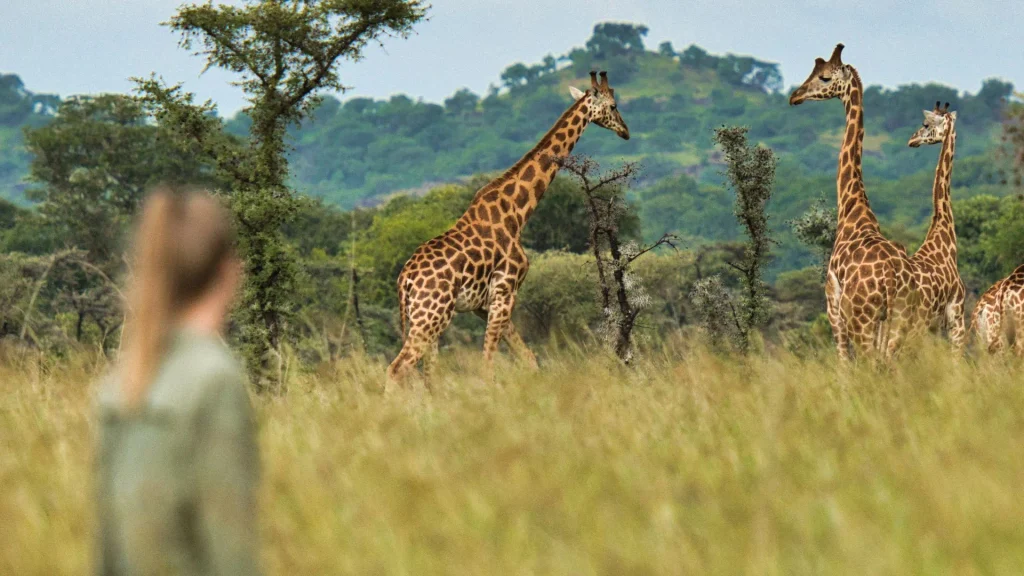
Walking with a trained ranger allows visitors to understand the reserve at a slower pace. Guided walks focus on tracks, birds, plants, smaller wildlife, landscape interpretation, and the signs that animals leave behind.
Birdwatching
Birdwatching is especially rewarding around wetland habitats, grasslands, woodland, and Lake Opeta. Visitors should carry binoculars, a bird guide, water, sun protection, and a camera with a long lens if possible.
Cultural and Community Encounters
Respectful cultural experiences with Karamojong communities can be arranged through local guides and tourism partners. These visits may introduce travellers to local traditions, storytelling, crafts, pastoral life, food, and community initiatives. Always ask permission before taking photographs of people.
Hiking and Scenic Exploration
The surrounding hills, rocky features, and the wider Mount Kadam landscape create opportunities for scenic walks and hiking. Napedet Cave and other landscape viewpoints may be included in locally arranged excursions, depending on access conditions and ranger guidance.
Landscape and Wildlife Photography
Pian Upe is ideal for photographers because of its wide horizons, uncrowded game-viewing tracks, open light, mountain backdrops, and unusual wildlife species. Early morning and late afternoon offer the best light.
Lodges and Accommodation in Pian Upe Wildlife Reserve
Accommodation in Pian Upe is limited, and that is part of its wilderness character. Visitors should book in advance and confirm current availability, rates, meals, and transport directly with the provider. However here is one of the upcoming Pian Upe eco camps
Uganda Wildlife Authority Bandas and Tourism Huts
The Uganda Wildlife Authority operates simple bandas and tourism huts at Moruajore headquarters inside the reserve. These are practical, affordable accommodation options for independent travellers, birding groups, and visitors who want to stay close to the game-viewing tracks.
Camping at Moruajore Headquarters
Camping is available through the Uganda Wildlife Authority at the reserve headquarters. Visitors should ask in advance about tent hire, food arrangements, water, electricity, and current camping conditions.
Karimojong Overland Safaris Camp
Karimojong Overland Safaris is the reserve’s concession operator. Its camp is intended for specialized arrangements rather than general public accommodation, so travellers should enquire directly if they are planning a tailored or specialist trip.
Pian Upe Savannah Cottages
Pian Upe Savannah Cottages has promoted a boutique lodge concept near the reserve, close to Uganda Wildlife Authority offices. However, its own website currently states that it is under construction. Travellers should contact the property directly before including it in travel plans. Pian Upe accommodation guidance Pian Upe Savannah Cottages
What Makes Pian Upe Wildlife Reserve Unique
Pian Upe is unique because it combines rare wildlife, open savannah, mountain scenery, wetland birding, Karamojong cultural heritage, and very low visitor numbers.
Unlike more crowded safari parks, Pian Upe offers a sense of discovery. It is a place for travellers who value wilderness over convenience and meaningful experiences over busy itineraries. The reserve is particularly special for seeing Uganda’s only remaining roan antelope population, Nubian giraffes, ostriches, cheetahs, and rare birds in a vast and little-visited landscape.
A visit also supports an important conservation story. Tourism revenue, local guiding, park fees, and community enterprises contribute to the recovery and protection of this extraordinary reserve.
Best Time to Visit Pian Upe Wildlife Reserve
The dry seasons, from December to March and from June to September, are generally the best periods for a first visit. Wildlife is easier to spot around remaining water sources, grass is shorter, and driving conditions are usually better.
The wetter months bring greener scenery and excellent birding, but some tracks may become muddy or difficult to use. A 4×4 vehicle is strongly recommended, particularly during the rainy season.
Plan Your Pian Upe Safari
Pian Upe is best for adventurous travellers, wildlife enthusiasts, birdwatchers, photographers, and visitors who want to explore Uganda beyond the usual safari circuit. Plan ahead, travel with enough water and supplies, use a reliable 4×4 vehicle, and book accommodation before arrival.
Pian Upe Wildlife Reserve remains one of Uganda’s true hidden treasures: a wild, beautiful, and important landscape where every visit helps protect the next chapter of Uganda’s conservation story.