The best time to visit Uganda depends on what you want to do, how much you want to spend and how you feel about a little rain. The country sits on the equator, so there is no true winter or summer, and every month offers something worth seeing.
Gorillas can be trekked all year, chimpanzees are found in every season, and the savannah parks reward visitors in both the dry and the wet months. Still, some months are clearly better than others for particular activities, and knowing the pattern helps you plan a smoother and cheaper trip.
This guide explains the best time to visit Uganda in plain terms. We look at the two dry seasons and the two rainy seasons, walk through the year month by month, match the seasons to specific activities such as gorilla trekking and game drives, and explain how the new low season permit discounts and the 2027 tariff changes affect your timing. At Afoyo African Safaris we plan trips across Uganda every month of the year, so this guide reflects what travellers actually experience on the ground.
The Best Time to Visit Uganda: The Short Answer
If you want the simplest answer, the best time to visit Uganda is during the dry seasons, which run from June to September and from December to February. During these months, forest trails are firmer, roads are easier, views are clearer and wildlife is easier to find in the savannah parks. These are also the busiest and most expensive months, so permits and lodges need to be booked early.
If you are more interested in saving money and avoiding crowds, the best time to visit Uganda may be April, May or November, when gorilla and chimpanzee permits are discounted and the countryside is green and fresh. You will need a good rain jacket and a flexible attitude, but you will often be rewarded with quieter trails and better prices. The right choice depends on your priorities, and the rest of this guide helps you weigh them.
Understanding Uganda’s Climate and Seasons
Uganda straddles the equator, and its climate is shaped more by altitude than by latitude. Much of the country lies on a high plateau, so daytime temperatures are usually pleasant, commonly between about 20 and 30 degrees Celsius, while mornings and evenings in the mountains can feel quite cool. Forest areas such as Bwindi and the Rwenzori Mountains are cooler and wetter than the savannah parks, and you should be ready for rapid changes in weather at any time of year.
Rainfall follows a pattern of two wet seasons and two dry seasons. The long rains arrive from March to May, and the short rains arrive from October to November. The dry seasons fall between them, from December to February and from June to September. Rain in Uganda is rarely a full day of grey drizzle. More often it comes as heavy afternoon downpours followed by sunshine, which means you can still enjoy activities even in the wettest months. You can find general information on the country’s geography and climate in this overview of Uganda.
The Dry Seasons: June to September and December to February
June to September: The Main Dry Season
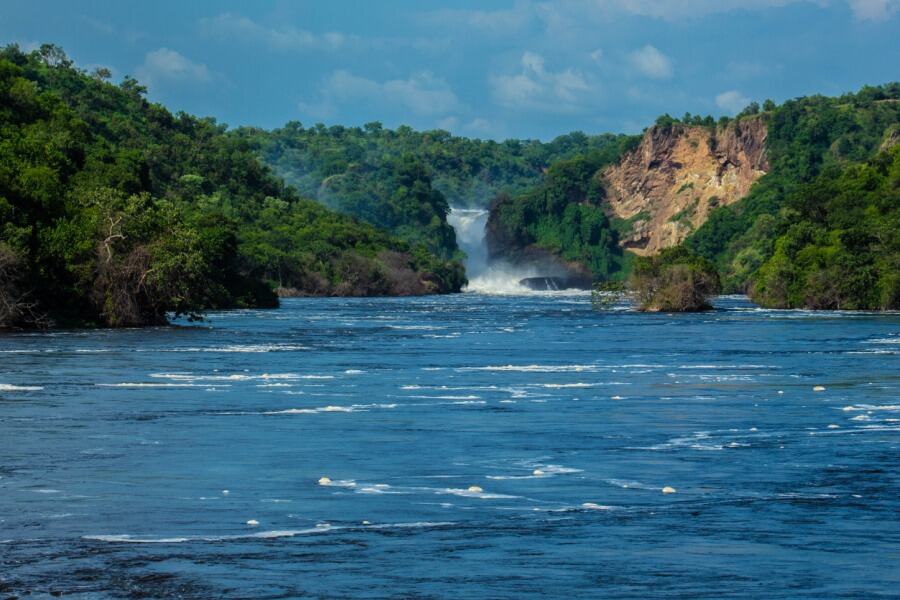
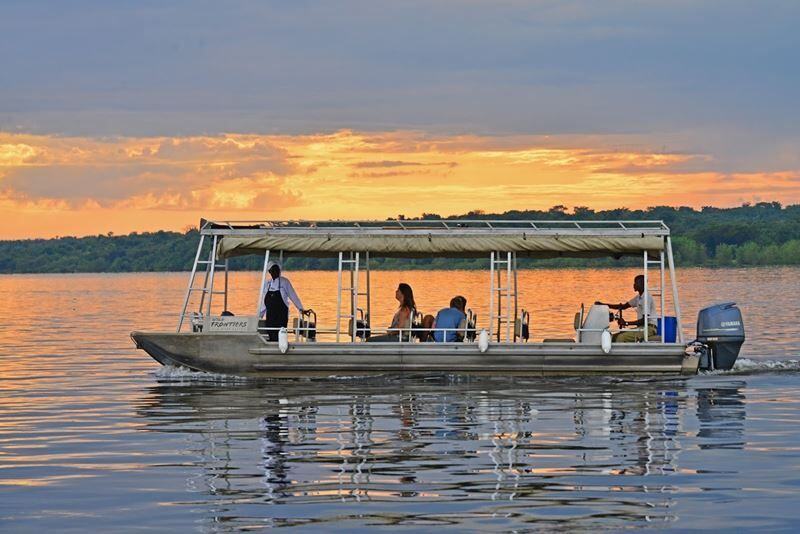
The long dry season from June to September is the most popular time to visit Uganda. Rainfall is lowest, skies are often clear and trails through Bwindi, Kibale and the Rwenzori foothills are at their most manageable. Wildlife gathers around water sources in the savannah parks, so game drives in Queen Elizabeth National Park and Murchison Falls National Park tend to be productive, and the boat cruises on the Kazinga Channel and the Nile offer superb viewing of hippos, crocodiles and birds.
This is also the high season for international travel, which means higher prices and earlier sell outs. Gorilla permits for July and August can be booked out many months ahead, and the best lodges often fill early. If you plan to travel in these months, make your permit and lodge reservations as early as you possibly can.
December to February: The Short Dry Season
The second dry season runs from December to February and is slightly shorter but equally attractive. Temperatures are warm, the air is clear and the landscape is often golden and dramatic. It is a popular period for families because of school holidays, and for travellers escaping northern winters, so demand around Christmas and New Year is very strong.
January and February are particularly good for hiking in the Rwenzori Mountains, since the paths are drier, and for visiting Kidepo Valley National Park in the far north east, where the dry weather concentrates wildlife near the remaining water. Because Christmas and the new year are so busy, travellers who prefer fewer people often choose the quieter weeks of January and February.
The Rainy Seasons: March to May and October to November
March to May: The Long Rains
The long rains bring the heaviest rainfall of the year, especially in April and May. Forest trails can be muddy and slippery, some roads in remote areas become more difficult, and a few lodges close for maintenance. Nevertheless, this is a beautiful time of year, with lush green scenery, fewer visitors and the lowest prices. Gorillas and chimpanzees do not disappear in the rain, and many travellers find the misty forest atmospheric and peaceful.
The Uganda Wildlife Authority has introduced discounted low season permits for April, May and November. A standard gorilla permit for foreign non-residents drops from 800 to 600 dollars, and chimpanzee tracking drops from 250 to 200 dollars. These discounts make April and May an attractive choice for budget conscious travellers, provided they accept that the discounted permits cannot be rescheduled and they pack proper waterproof gear.
October to November: The Short Rains
The short rains are generally lighter than the long rains and tend to arrive in the afternoon or evening. October can be a transition month with mixed weather, while November is often green, fresh and quiet. The discounted low season permit rates apply in November, so it is an excellent time for value, and it is also a good month for birdwatching because migratory species are present.
Best Time to Visit Uganda for Gorilla Trekking
Gorilla trekking is possible all year, but the dry months make the experience easier because the trails are less slippery. The best time to visit Uganda for gorillas is June to September and December to February for comfort, and April, May and November for value. In the wet season you will walk through mud and rain, yet the gorillas are still found, and many travellers say the misty forest adds to the magic.
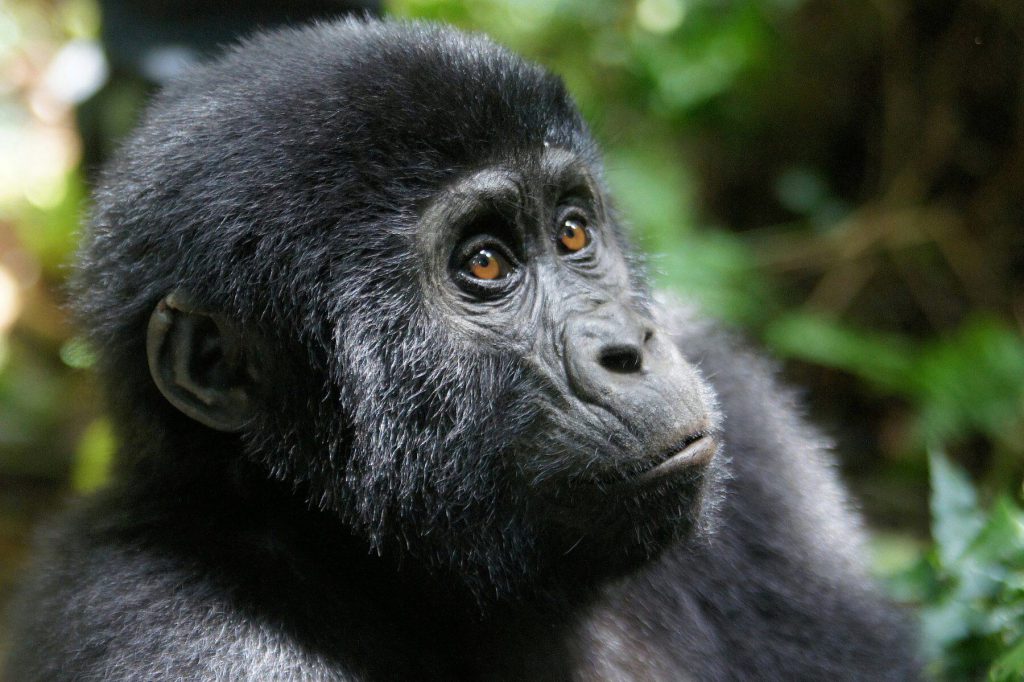
Because the standard permit costs 800 dollars in high season and 600 dollars in the low season, timing your gorilla trek can change your budget by hundreds of dollars. For more detail on the experience, read our page on gorilla trekking in Uganda and Rwanda, or compare the two countries in our guide to Uganda vs Rwanda gorilla trekking.
Best Time to Visit Uganda for Chimpanzee Tracking
Chimpanzees in Kibale National Park can be tracked throughout the year, and success rates are consistently high. The dry months make walking easier, but fruiting trees can influence where the chimps feed, which affects how far you walk. Tracking permits currently cost 250 dollars for foreign non-residents, with a low season rate of 200 dollars, and published schedules indicate a rise to 300 dollars from January 2027, so booking before the change may be worth discussing with your planner.
Best Time to Visit Uganda for Game Drives and Boat Cruises
For classic wildlife viewing in Queen Elizabeth and Murchison Falls National Parks, the dry seasons are best. Animals gather near rivers and waterholes, the grass is shorter and sightings of lions, elephants, buffalo, giraffes and hippos are easier. The Kazinga Channel and the Nile are rich in wildlife all year, but the dry months make the savannah drives especially rewarding. The Uganda Wildlife Authority publishes official information on each park, including activities and fees.
Best Time to Visit Uganda for Birdwatching
Uganda is one of Africa’s top birdwatching destinations, with over a thousand species recorded across the country. Birding is good all year, but November to April is particularly attractive because migratory species from Europe and Asia join the resident birds. The wet months also bring breeding plumage and lively activity, so keen birders often prefer them despite the rain. Specialities such as the shoebill at Mabamba Swamp can be seen throughout the year, though drier months can make access easier.
Best Time to Visit Uganda for Hiking
Hiking in the Rwenzori Mountains and on the Virunga volcanoes is best during the driest periods, especially December to February and June to July. Trails at altitude become very muddy in the rainy seasons, which makes steep sections difficult and increases the risk of slipping. If you plan to climb Mount Gahinga, Sabyinyo or Muhabura near Mgahinga, choose a dry month for the clearest views and safest footing. You can read more in this overview of Mgahinga Gorilla National Park.
Best Time to Visit Uganda for Budget Travellers
The best time to visit Uganda on a budget is April, May and November. Discounted gorilla and chimpanzee permits, lower lodge rates and better availability all combine to reduce the overall cost, and our guide to safari packages shows how different trip lengths are priced. Remember that low season permits cannot be rescheduled, so book them only when your dates are certain.
Another factor is the Uganda Wildlife Authority tariff that takes effect from January 2027. Published schedules indicate higher prices for chimpanzee tracking and for the gorilla habituation experience, so travellers with flexible plans may benefit from travelling before the change. Always confirm current fees with your planner, because tariffs are reviewed regularly and conditions apply.
Best Time to Visit Uganda for Photography
Photographers often ask about the best time to visit Uganda for clear light and dramatic skies. The dry months give crisp morning light and sharper views of the Virunga volcanoes and the Rwenzori Mountains, while the wetter months bring lush greens, moody clouds and soft, diffused light under the forest canopy. Gorilla photography in dim forest is difficult in any season, so a fast lens and a higher ISO setting are essential, and dry days make it easier to keep your equipment clean and safe.
Savannah photographers will find the golden light of the dry season ideal, because dust and low sun create warm colours over the plains of Queen Elizabeth and Murchison Falls. If photography is your main goal, our photography safaris are planned around the light, the animals and the pace you need to get the shots you want.
Best Time to Visit Uganda for Families, Couples and Solo Travellers
Families with school age children usually travel during school holidays, which often match the dry seasons of June to September and December to January. Gorilla trekking has a minimum age of fifteen, so families with younger children often plan savannah safaris, boat cruises and cultural visits instead, and choose the drier months for easier travel. Booking early is especially important for families because rooms for three or four people are limited in many lodges.
Couples and honeymooners often prefer the quieter shoulder months of June, September and January, when the weather is good and lodges are less crowded. Solo travellers can travel at any time of year, and the low season offers good value because fewer people compete for lodges and permits. You can read more about planning a journey on your own in our guide to solo safaris.
Weather Differences Between Regions of Uganda
Uganda’s weather is not the same everywhere, and this matters when you decide the best time to visit Uganda for a particular route. The south west, with Bwindi, Mgahinga and Lake Bunyonyi, is cool and wet at altitude, and rain can fall even in the so called dry months. The west, around Queen Elizabeth, Kibale and Fort Portal, enjoys a similar pattern but is a little warmer in the savannah areas.
The north, including Murchison Falls and Kidepo, has a stronger dry season and tends to be hotter, with heavier rain in the middle of the year in some areas. The east, around Jinja and Mount Elgon, has its own mix of conditions, and white water rafting on the Nile is possible throughout the year. Because the regions differ, a good planner will adjust your route to the season, putting the wettest areas in your driest weeks wherever possible.
Combining Uganda with Rwanda and Kenya
Many travellers pair Uganda with a neighbouring country, and the best time to visit Uganda often matches the best time for the combination. Rwanda shares the same dry and wet seasons, so a trip to both countries works well in June to September or December to February. You can learn more about the neighbouring destination on our Rwanda page, and the official Rwanda tourism site has further planning detail.
If you want to add the Great Migration in Kenya or Tanzania, July to October is the key window, and combining it with Uganda in July, August or September gives you gorillas and one of the greatest wildlife spectacles on earth. Our team can build a multi country plan that links these experiences smoothly, including flights and permits.
What to Pack for Each Season
Packing well makes every season more comfortable. In the dry months, bring sunscreen, a hat, sunglasses, long trousers and a warm layer for cool mornings. In the wet months, add a good waterproof jacket, quick drying clothes, waterproof bags for cameras and sturdy boots with strong grip. Gardening gloves are helpful on steep forest trails, and insect repellent is useful all year.
For a complete checklist covering clothing, equipment and health items, see our East Africa safari packing list. You should also check visa requirements early, and our guide to the Uganda tourist visa online explains how to apply before you travel.
Crowds, Holidays and Booking Windows
The busiest periods in Uganda are July and August, and the weeks around Christmas and New Year. During these times, gorilla permits, lodges and domestic flights sell out well ahead, and prices are at their highest. The quietest periods are April, May and November, when you will often have trails and lodges to yourself.
As a general rule, book six to twelve months ahead for high season and three to six months ahead for the low season. If your dates are fixed by work or school holidays, book as early as you can and ask your planner about alternatives, such as a different gorilla sector, which can open up permits when your first choice is full.
Frequently Asked Questions About the Best Time to Visit Uganda
What is the best month to visit Uganda?
January, February, June, July, August and September are generally considered the best months for weather, with dry trails and clear skies. For value, April, May and November are better.
Is it worth visiting Uganda in the rainy season?
Yes, if you are prepared. Gorillas and chimpanzees can still be tracked, scenery is lush and prices are lower, but trails are muddy and you need good rain gear.
When is the cheapest time to see gorillas in Uganda?
April, May and November, when the permit drops from 800 to 600 dollars for foreign non-residents. These discounted permits cannot be rescheduled.
Does it rain all day in Uganda?
Rarely. Rain usually arrives as heavy showers that pass, and mornings are often clear, which makes early treks and game drives comfortable even in the wet season.
What is the best time to visit Uganda and Rwanda together?
June to September and December to February suit both countries, because they share similar weather. The low season months also work if you want to save money.
Is Uganda safe to visit all year round?
Yes. Uganda welcomes visitors throughout the year, and safety depends more on following your guide’s advice and checking current travel guidance than on the season.
Plan Your Trip at the Best Time to Visit Uganda with Afoyo African Safaris
The best time to visit Uganda is the time that matches your goals. If you want dry trails and clear views, aim for June to September or December to February. If you want savings and solitude, choose April, May or November. If you want a special experience such as a gorilla habituation or a Rwenzori hike, we can help you choose the month that gives you the best chance.
Our team at Afoyo African Safaris plans tailor-made safaris across Uganda and the wider region, handling permits, lodges, transport and guides from our base in Kampala. Share your preferred dates, your budget and your interests, and we will recommend the best season for your trip. Plan your safari with us today and let us help you choose the perfect time to go.