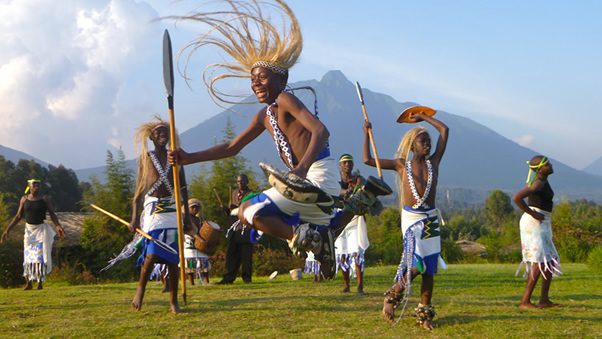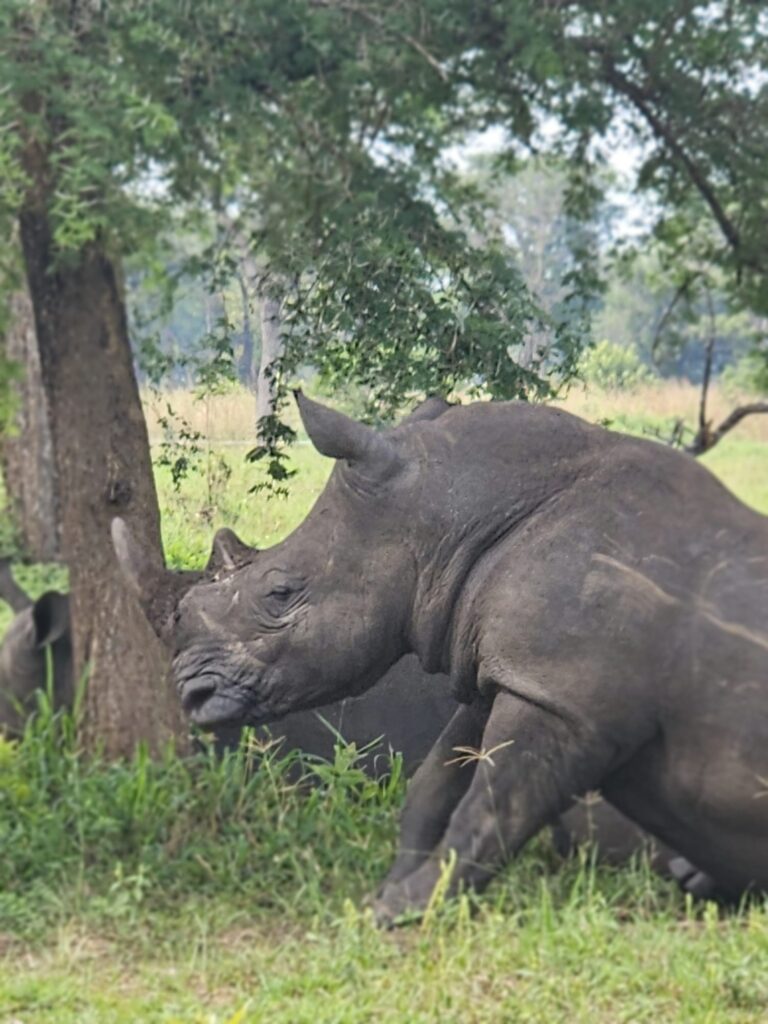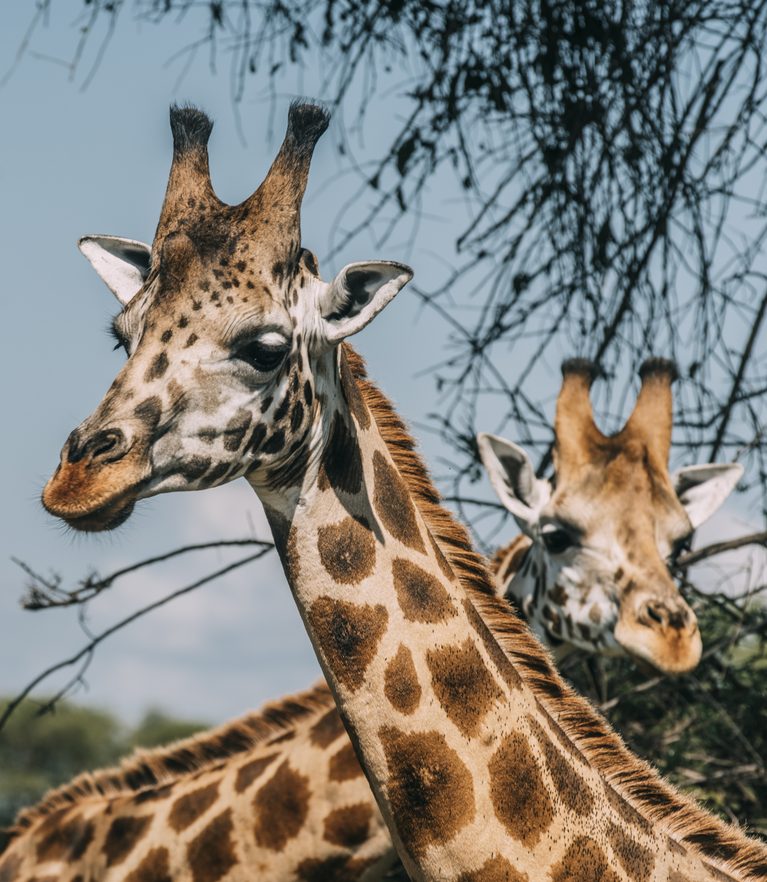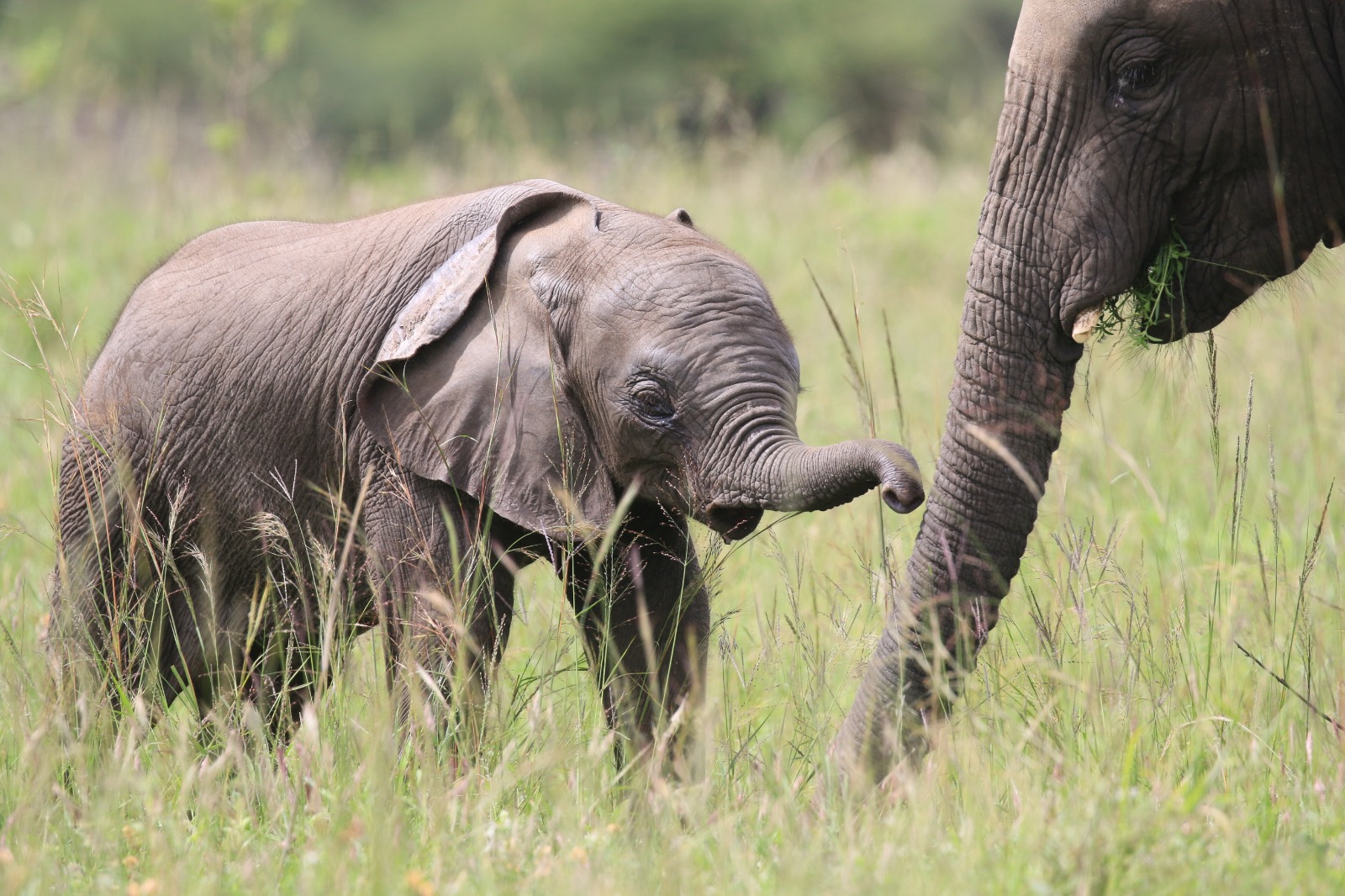
The Best African National Parks is not necessarily the one with the most animals per square kilometre. It is the one that changes your sense of scale: a gorilla’s breath in a bamboo forest, lions above the canopy walks in Rwanda, wildebeest flowing beyond the horizon, or a walking safari where the guide reads the ground like a newspaper. This ranking favours distinctiveness in experiences that cannot be easily replicated elsewhere alongside wildlife, landscape, conservation value, and trip practicality.
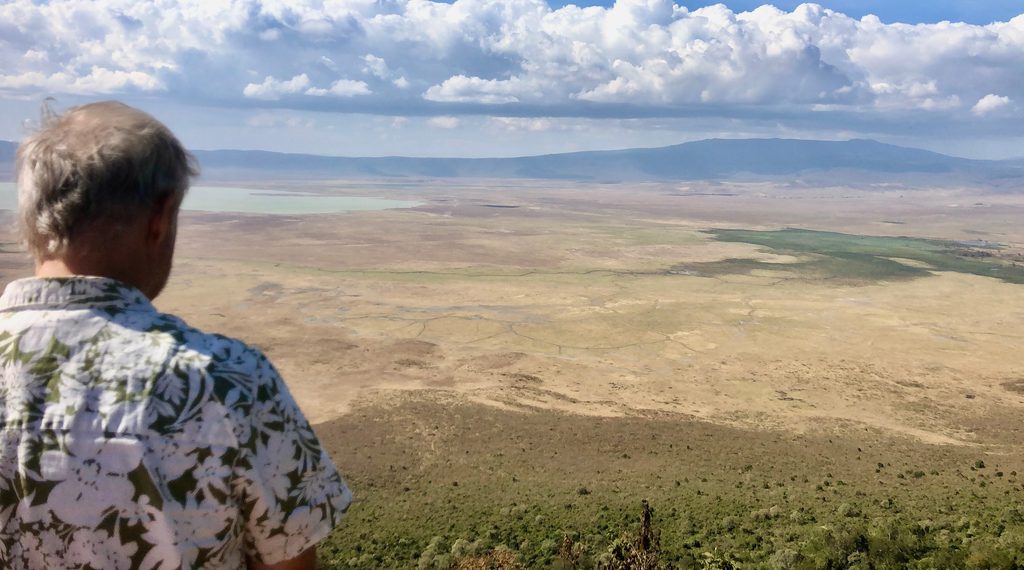
Africa’s greatest parks are not simply places to tick off the Big Five. They are landscapes with their own character: gorillas moving through wet mountain forest, elephant herds beneath Kilimanjaro, lions in baobab country, the sound of the Nile forcing its way through Murchison Falls, and walking safaris where every footprint tells a story.
For the traveller who wants a safari with real texture, the finest choice is not always the most famous park. This ranking favours rare wildlife encounters, wild atmosphere, landscape, conservation significance and the quality of the journey itself.
Serengeti National Park in Tanzania takes the top place. Few wildlife experiences compare with seeing the Great Migration spread across its plains. It is a place of enormous skies, big cats, vast herds and seasonal drama. Visit from June to October for classic dry-season game viewing, or from December to March to witness the calving season in the southern Serengeti.
Bwindi Impenetrable National Park
Uganda comes next for an experience that feels more like an expedition than a conventional safari. Gorilla trekking through its dense, ancient forest is one of Africa’s most emotional wildlife encounters. The drier months of June to August and December to February are usually the easiest times to trek.
South Luangwa National Park
Zambia is one of Africa’s great safari originals. It is particularly celebrated for walking safaris, leopard sightings and the wildlife-rich Luangwa River. From June to October, the bush dries out and wildlife concentrates around water, creating superb viewing conditions.
Virunga National Park in the Democratic Republic of Congo is among the continent’s most dramatic landscapes, combining mountain gorillas, volcanoes and the Albertine Rift. However, travellers should only consider it when the park is open and security conditions are independently confirmed through specialist operators and current official travel advice.
Kafue National Park in Zambia is ideal for travellers seeking space. It is vast, varied and less crowded than many famous safari destinations. The Busanga Plains are especially rewarding from July to October, when lions, antelope and other wildlife gather around the floodplain.
Queen Elizabeth National Park
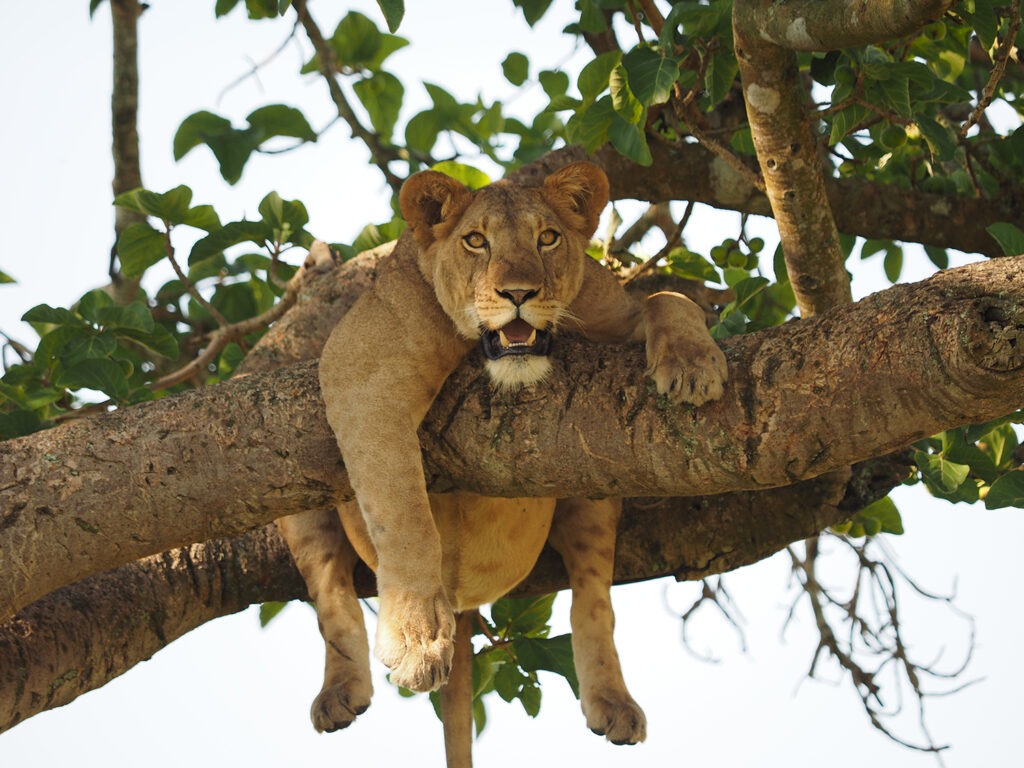
Uganda is one of the most rewarding all-round parks in East Africa. It combines game drives, boat safaris on the Kazinga Channel, crater lakes, chimpanzee tracking nearby and the tree-climbing lions of Ishasha. It works especially well from June to August and December to February.
Amboseli National Park in Kenya remains one of the best places on earth to see elephants, particularly when Mount Kilimanjaro appears from behind the clouds. June to October and January to February generally offer the clearest, driest safari conditions.
Rwanda’s Volcanoes National Park
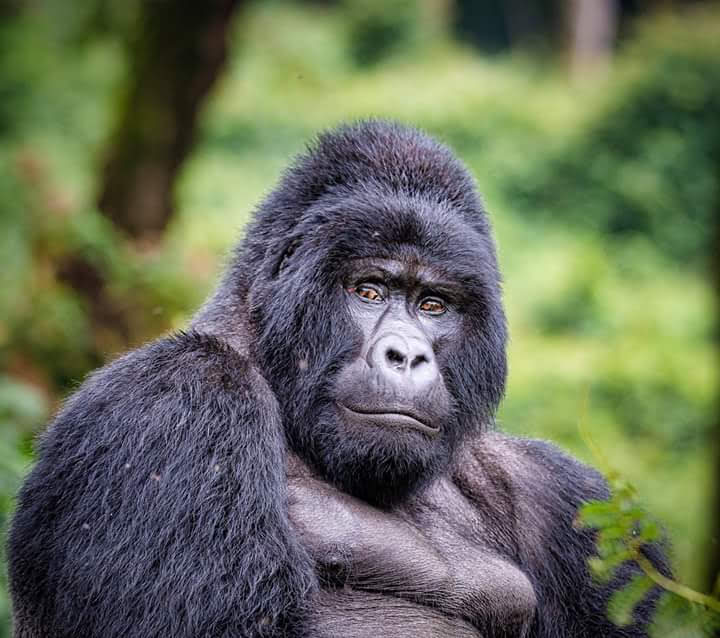
The most polished destination for mountain-gorilla trekking. It is compact, scenic and relatively easy to combine with Kigali and Akagera National Park. The best trekking windows are June to September and December to February.
Ruaha National Park in Tanzania is a more remote alternative to the Serengeti. Its giant baobabs, dry riverbeds, elephant herds and predator populations make it ideal for travellers who want serious wilderness without heavy crowds. Visit between June and October.
Murchison Falls National Park in Uganda completes the top ten. Here, the Nile narrows violently before plunging through a rocky gap, while elephants, buffalo, hippos, crocodiles and birdlife gather along the river. December to February and June to September are particularly rewarding.
Other exceptional choices include Nyerere National Park in Tanzania for boat safaris on the Rufiji River, Akagera National Park in Rwanda for a compact Big Five safari, Kahuzi-Biega National Park in DR Congo for eastern lowland gorillas, and Lower Zambezi National Park in Zambia for canoeing, walking and riverside wildlife.
When to plan your African national parks trip
June to October is the best overall period for a safari across Uganda, Kenya, Tanzania, Rwanda, DR Congo and Zambia. This is generally the dry season, when roads are easier, grass is shorter and wildlife becomes easier to spot around water sources. It is also the prime season for Zambia’s walking safaris and the classic East African migration experience.
January and February are excellent for gorilla trekking in Uganda and Rwanda, Amboseli’s Kilimanjaro views, and the Serengeti’s calving season. March to May brings greener scenery, more birds and often better value, but heavy rain can make remote roads difficult. November is a useful shoulder-season option for travellers who want fewer visitors and lower prices. December can be excellent but should be booked well ahead because of holiday demand.
For most travellers, ten to fourteen nights is ideal. Instead of trying to see every park, combine two or three contrasting destinations. Uganda and Rwanda work beautifully for gorillas and chimpanzees. Kenya and Tanzania are ideal for migration, savannah and big cats. Zambia is the strongest choice for walking safaris and a quieter, more immersive bush experience.
National parks in Uganda
Uganda has ten national parks: Bwindi Impenetrable, Kidepo Valley, Kibale, Lake Mburo, Mgahinga Gorilla, Mount Elgon, Murchison Falls, Queen Elizabeth, Rwenzori Mountains, and Semuliki.
Bwindi is the essential gorilla destination, Kibale is the leading chimpanzee park, Queen Elizabeth offers the most varied safari circuit, Murchison Falls delivers classic river-and-savannah wildlife, and Kidepo Valley is one of East Africa’s wildest and least-visited landscapes.
National parks in Kenya
Kenya’s terrestrial national parks include Aberdare, Amboseli, Central Island, Chyulu Hills, Hell’s Gate, Kora, Lake Nakuru, Malka Mari, Marsabit, Meru, Mount Elgon, Mount Kenya, Mount Longonot, Nairobi, Ndere Island, Oldonyo Sabuk, Ruma, Saiwa Swamp, Sibiloi, South Island, Tsavo East and Tsavo West.
Its marine national parks include Kisite-Mpunguti, Kiunga, Malindi, Mombasa and Watamu.
Amboseli, Tsavo East, Tsavo West, Lake Nakuru, Meru, and Nairobi National Park are the strongest options for a first-time Kenya itinerary. Maasai Mara is also essential for many visitors, although it is a national reserve rather than a national park.
National parks in Tanzania
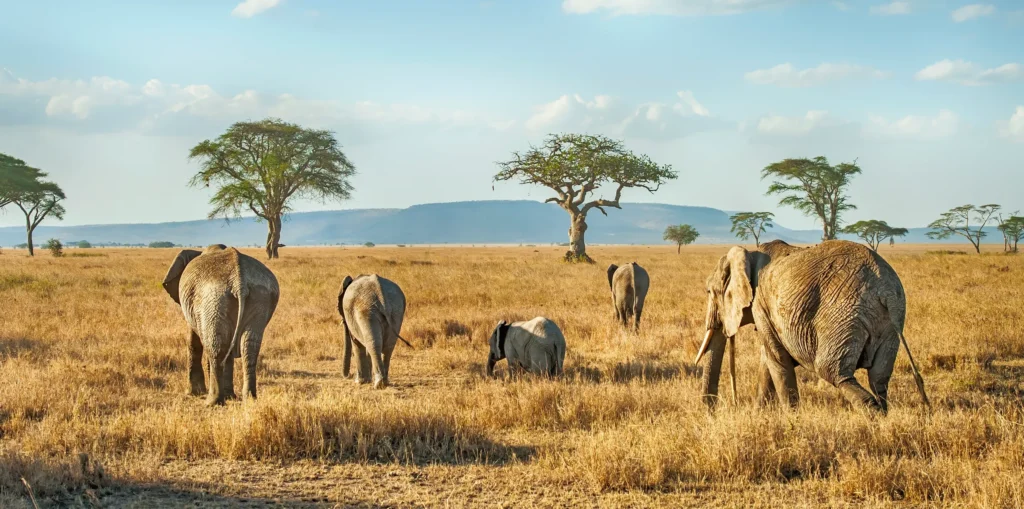
Tanzania’s national parks are Arusha, Burigi-Chato, Gombe, Ibanda-Kyerwa, Katavi, Kilimanjaro, Kitulo, Lake Manyara, Mahale Mountains, Mikumi, Mkomazi, Nyerere, Ruaha, Rubondo Island, Rumanyika-Karagwe, Saadani, Saanane Island, Serengeti, Tarangire, Udzungwa Mountains, and Ugalla River.
Serengeti is the most famous, but Ruaha, Nyerere, Katavi, Mahale, and Gombe offer some of the continent’s most distinctive wilderness experiences. Ngorongoro is often included in Tanzania safari itineraries, though it is a conservation area rather than a national park.
National parks in Rwanda
Rwanda has four national parks: Akagera, Gishwati-Mukura, Nyungwe and Volcanoes.
Volcanoes National Park is Rwanda’s premier gorilla destination. Nyungwe is a rainforest park known for chimpanzees, colobus monkeys and canopy walks. Akagera is a successful Big Five destination with lakes, savannah and a strong conservation story. Gishwati-Mukura is Rwanda’s newest forest park and best suited to travellers interested in quieter primate and birding experiences.
National parks in the Democratic Republic of Congo
The Democratic Republic of Congo’s national parks are Garamba, Kahuzi-Biega, Kundelungu, Lomami, Maiko, Salonga, Upemba, Virunga and Yangambi.
Virunga and Kahuzi-Biega are the best-known tourism destinations because of their gorilla populations, while Garamba and Salonga are globally important wilderness areas. Conditions in DR Congo can change fast, so travel must be arranged responsibly, with current security checks and experienced local operators.
National parks in Zambia
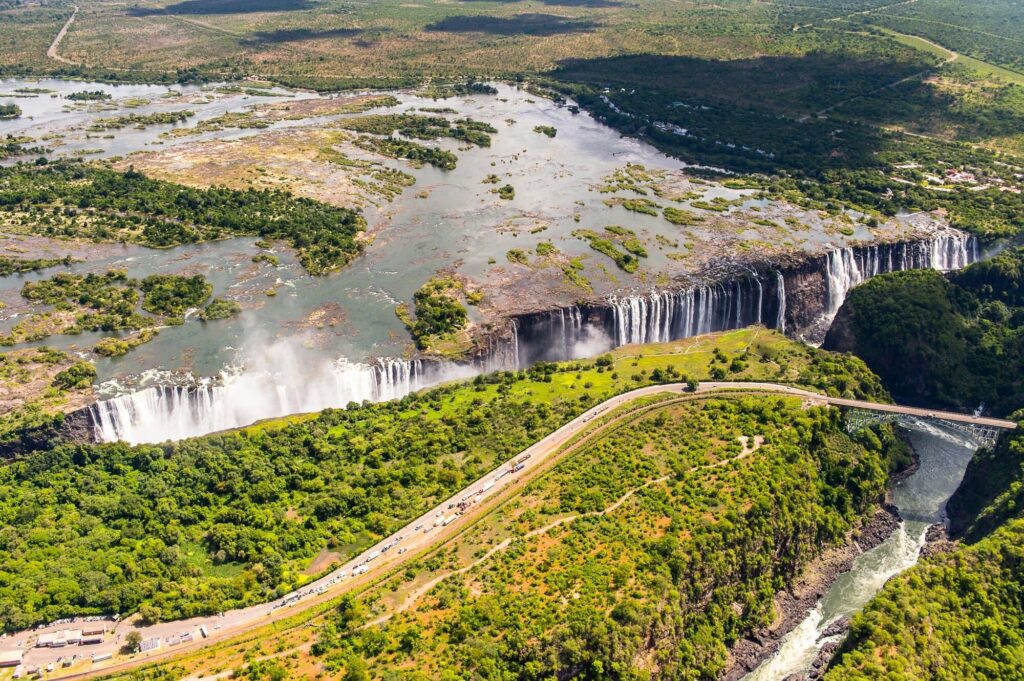
Zambia’s national parks include Blue Lagoon, Isangano, Kafue, Kasanka, Lavushi Manda, Liuwa Plain, Lochinvar, Lower Zambezi, Luambe, Lukusuzi, Lusaka, Lusenga Plain, Mosi-oa-Tunya, Mweru Wantipa, North Luangwa, Nsumbu, Nyika, Sioma Ngwezi, South Luangwa and West Lunga.
South Luangwa, Lower Zambezi, and Kafue are Zambia’s most important safari parks. Liuwa Plain is extraordinary for open grasslands and seasonal wildebeest movement, Kasanka is famous for its enormous fruit-bat migration, and Mosi-oa-Tunya pairs naturally with Victoria Falls.
The Best African National Parks is ultimately the one that matches your travel style. Choose Serengeti for epic scale, Bwindi or Volcanoes for gorillas, South Luangwa for walking, Kafue or Ruaha for wilderness, Queen Elizabeth for variety, or Lower Zambezi and Nyerere for water-based safari. Pick fewer parks, stay longer, and let the landscape become more than a backdrop.
7:21