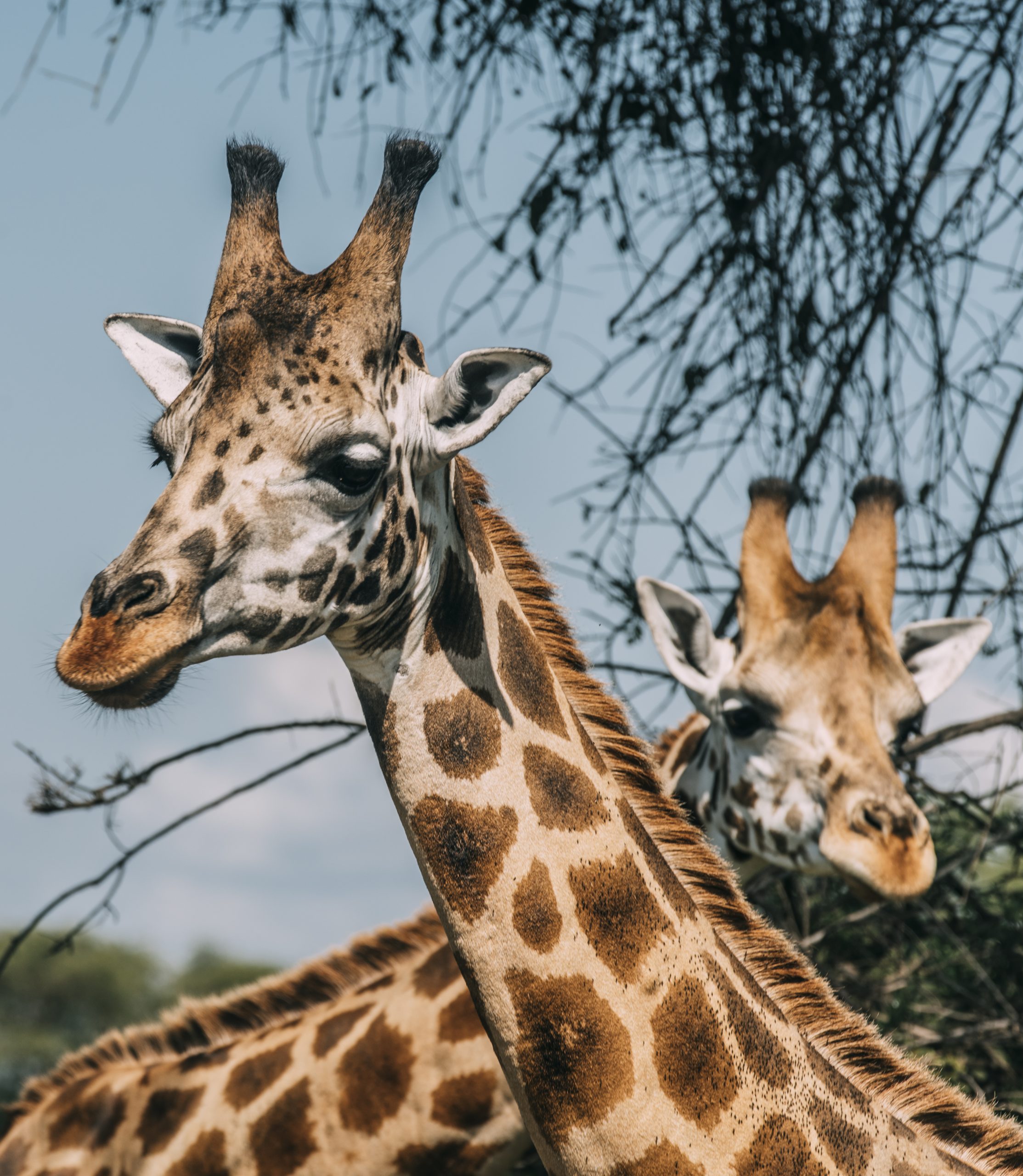
Giraffes are among the most iconic and majestic animals in the world. Towering at heights of up to 18 feet, these gentle giants captivate anyone lucky enough to observe them in the wild. But have you ever wondered what giraffes eat to sustain such massive size and energy? In this post, we dive into the diet of giraffes, exploring how their unique anatomy helps them feed, what their favourite foods are, and how changing climates affect their eating habits, especially in places like Uganda’s Murchison Falls National Park.
The Anatomy Behind the Appetite
Giraffes owe much of their feeding success to their extraordinary necks, which can stretch up to six feet long. Surprisingly, giraffes have the same number of neck vertebrae as humans seven but each vertebra is much longer and more robust. This adaptation allows them to browse leaves high up in trees, where few other herbivores can reach. Complementing their height is their 18-inch prehensile tongue, which they use to expertly pluck leaves from branches, often without a scratch, even on thorny trees like the acacia.
What Giraffes Eat: Their Primary Diet
Giraffes are browsers, meaning they feed on vegetation found higher off the ground, rather than grazing on grass like zebras or antelopes. Their main food sources include:
Acacia trees – A giraffe’s favourite, rich in protein and calcium.
Mimosa and wild apricot trees—nutrient-packed and commonly found in their habitats.
Fruits, flowers, and buds – These are seasonal treats that offer extra vitamins and minerals.
These foods are not just abundant but also highly nutritious, playing a vital role in muscle development, reproduction, and overall health.
Digestion Like a Pro: The Giraffe’s Multi-Chambered Stomach
Giraffes, like cows, are ruminants. Their four-chambered stomach allows them to break down tough, fibrous plant material through fermentation. After chewing and swallowing their food, giraffes regurgitate it as cud, chew it again, and repeat the process to maximise nutrient absorption. Their specialized molars grind the leaves before digestion begins, ensuring they extract every bit of nourishment.
Seasonal Shifts in Giraffe Diet
Seasons play a big role in what giraffes eat. During the wet season, trees are flush with fresh leaves, young shoots, fruits, and flowers, providing giraffes with a varied and moisture-rich diet.
In contrast, during the dry season, giraffes often resort to older, tougher leaves. While these still offer sustenance, they are less nutritious, and giraffes may need to consume more to meet their dietary needs.
Climate and Feeding Challenges
In areas like Murchison Falls National Park in Uganda, giraffes benefit from a relatively stable climate and consistent vegetation. But in regions affected by climate change, prolonged droughts and erratic rainfall patterns can make feeding difficult.
Droughts reduce leaf availability and force giraffes to rely on subpar food, which can affect their health and reproduction over time. Understanding these patterns is crucial for conservation efforts.
Giraffes and Their Ecosystem Partners
Giraffes are not just consumers—they’re key players in their ecosystems. They form symbiotic relationships with birds like oxpeckers, which perch on their backs and feed on ticks and parasites. This provides the birds with food and gives giraffes relief from skin irritations.
Moreover, giraffes help shape the landscape by pruning the tops of trees. This encourages new growth and opens up the canopy for smaller animals and plants, contributing to greater biodiversity.
Why Giraffe Diet Matters
Understanding the giraffe’s diet helps us appreciate how these incredible animals survive and thrive in the wild. From their long necks and nimble tongues to their complex digestive systems, every aspect of their anatomy is perfectly designed for their browsing lifestyle.
As we continue to study giraffes in places like Bwindi Impenetrable Forest and Murchison Falls, it becomes clear: protecting their habitat and ensuring a stable food supply is key to preserving these gentle giants for generations to come.
Planning to See Giraffes in the Wild?
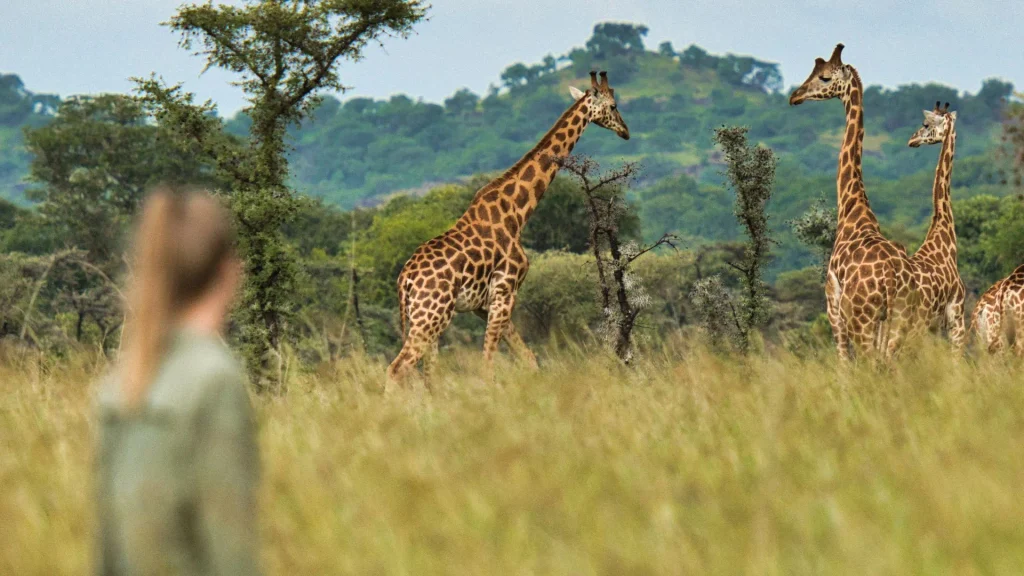
If you’re planning a trip to Uganda or other parts of Africa, don’t miss the chance to see giraffes up close in their natural habitat. Murchison Falls National Park is home to the rare Rothschild giraffe, offering one of the best safari experiences in East Africa.